Paid media / The Turma Journal
ChatGPT ads are live: a practical readiness plan for brands
By Turma Digital Agency · Published September 22, 2026 · Strategy guide
OpenAI's advertising site now invites businesses to advertise in ChatGPT and describes the opportunity around moments when people explore options, compare choices and make decisions. OpenAI's release notes say the advertising test began on February 9, 2026 for a subset of logged in adults in the United States using the Free and Go tiers. Paid plans were excluded from that test.
That is a meaningful new media surface, but it is not a reason to move budget blindly. The immediate job for a business is to prepare the parts that make any intent based campaign useful: a clear offer, trustworthy evidence, a landing page that answers the decision, and measurement that distinguishes attention from a qualified lead.
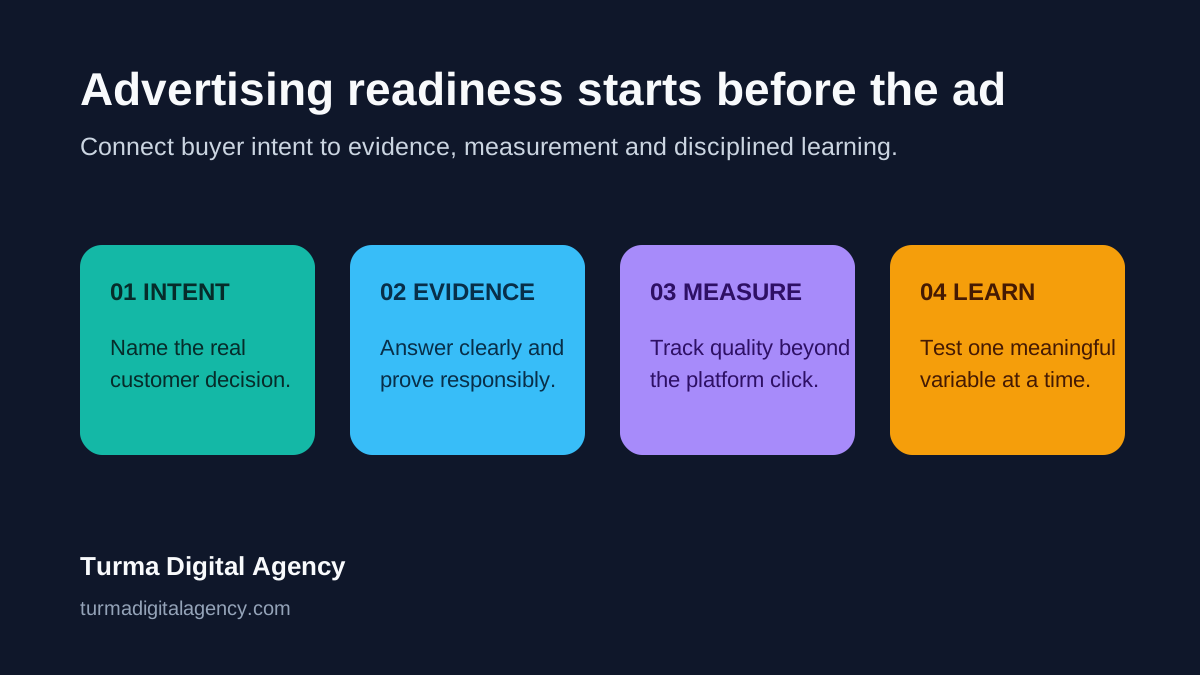
1. Map the decision before choosing the ad
Start with a question a buyer asks while comparing options. Examples include “Which CRM works for a small service business?”, “What should a multilingual website project include?” or “How do I compare an agency retainer with an internal hire?”
Write down the buyer's stage, the information they still need and the next action that would genuinely help. The useful creative idea usually follows from that map. A generic brand slogan does not become more valuable just because it appears in a conversational product.
2. Build a landing page that can survive scrutiny
The destination should answer the promise made by the ad. Put the central answer near the top, explain who the offer is for, show the process, disclose important limitations and make the next step obvious. Use client names, results and testimonials only when permission and evidence exist.
For international campaigns, avoid a single vague “global” page. Explain delivery time zones, language coverage, pricing currency, onboarding and support expectations for the markets you can actually serve. Specific operational detail builds more trust than a row of location names.
3. Separate platform signals from business outcomes
A campaign dashboard can show delivery, clicks or other platform activity. Your own records must show what happened next. At minimum, keep four layers separate:
- Exposure: what the advertising platform reports.
- Site behaviour: consented analytics for landing page visits and useful actions.
- Lead quality: whether an inquiry fits the offer, market and budget.
- Business outcome: a booked conversation, proposal, sale or another verified result.
Opening an email application is not a lead. A click is not a sale. Agree on the definitions before launch so reporting cannot quietly change when performance is disappointing.
4. Treat the first campaign as a controlled learning plan
Choose one audience problem and one conversion path. Record the current baseline, cap the first budget, define the stopping rule and review the full journey after enough data exists. Test a meaningful variable such as the decision angle or proof format rather than changing headline, image, audience and landing page at the same time.
What not to claim
Do not describe advertising as a way to train ChatGPT, control organic answers or guarantee recommendations. Advertising, organic discovery and model development are different systems. Businesses should rely on OpenAI's published product information and the controls visible in their own account rather than assumptions borrowed from other ad platforms.
A seven day readiness sprint
- Choose one high value customer decision.
- Audit the destination page against that decision.
- Add evidence, limitations and a clear next step.
- Confirm analytics, consent and CRM source fields.
- Write two distinct creative angles based on real buyer questions.
- Set a small test budget and explicit stopping rule.
- Review lead quality, not just platform activity.
Sources
- OpenAI Ads: Advertise in ChatGPT, reviewed September 22, 2026.
- ChatGPT release notes, February 9, 2026 entry on testing ads in ChatGPT.
Prepare the measurement before the media spend
Turma Digital Agency helps businesses connect landing pages, analytics, CRM and campaign execution into one accountable system.